



Vaccines

We strive at Mraah Biotech to play a genuine role in building an integrated national ecosystem for localizing vaccine production, supporting national biosecurity, strengthening food self-sufficiency, and reducing dependence on imports. Our focus is on advancing veterinary vaccine manufacturing capabilities and enhancing infrastructure through establishing local vaccine production facilities, transferring manufacturing technologies to the Kingdom, and forming partnerships with regional and international manufacturers. These efforts align with Saudi Vision 2030 and the national tracks of food security and biosecurity, ensuring a more sustainable health and development landscape.

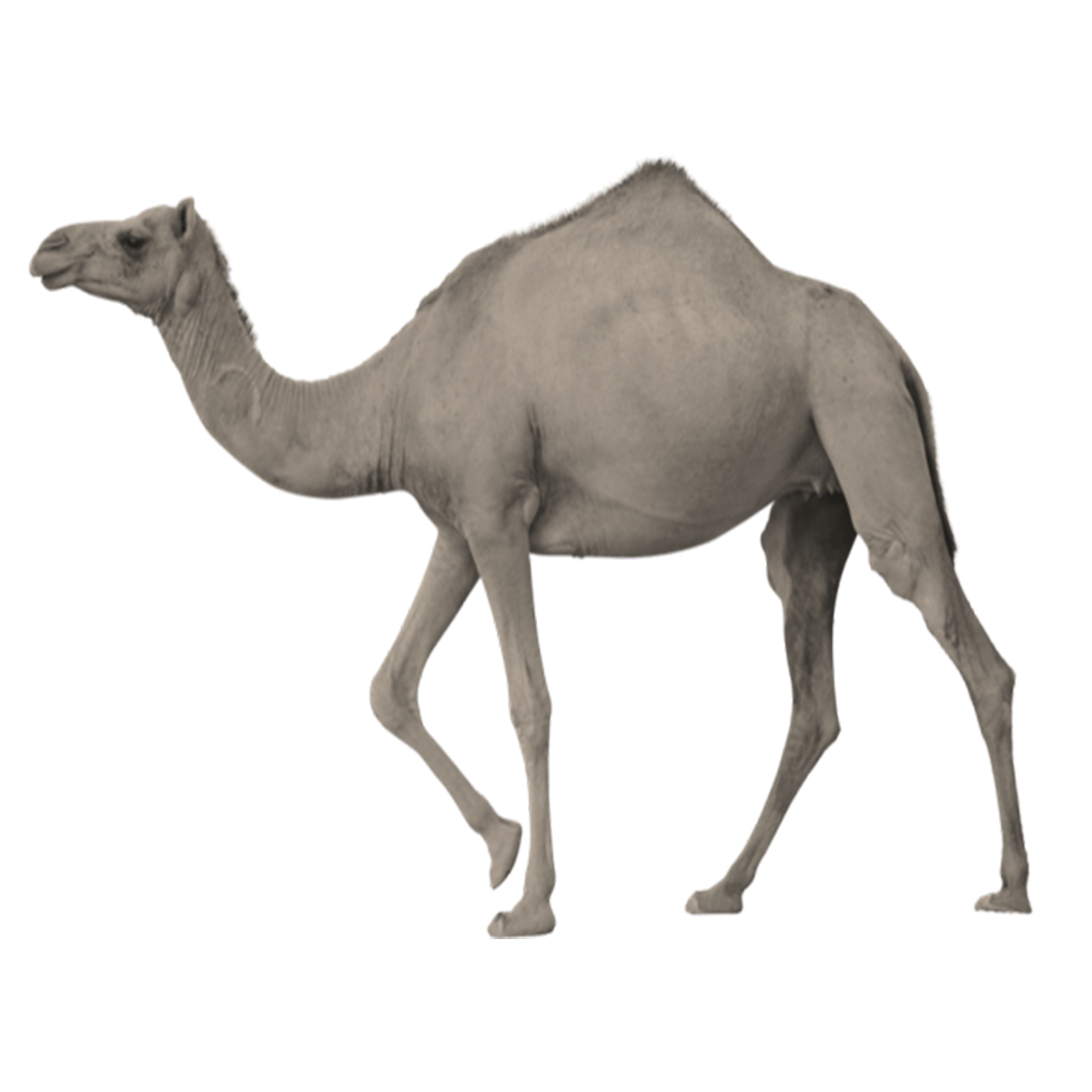
Ruminants (Camels – Cattle – Sheep)
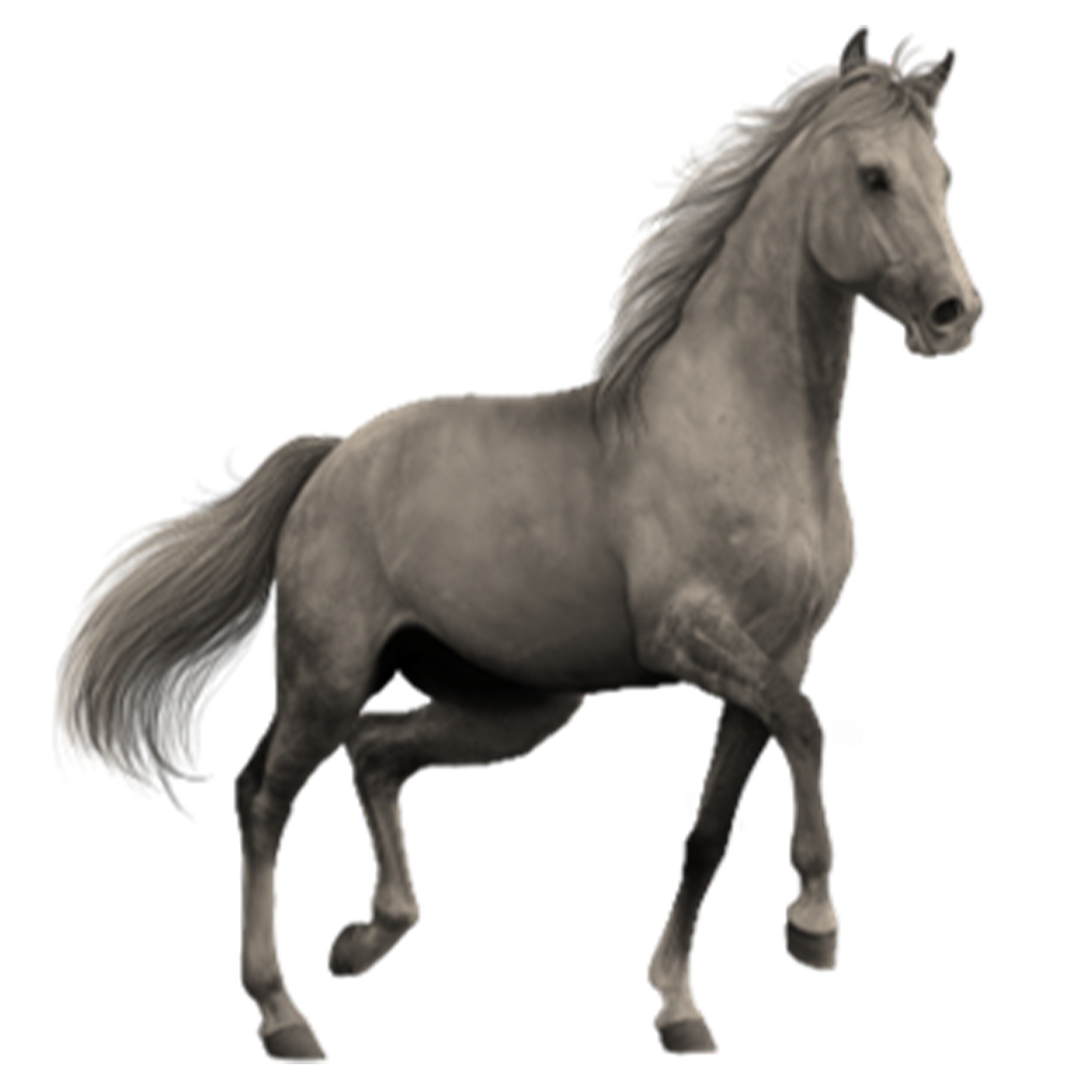
Equines
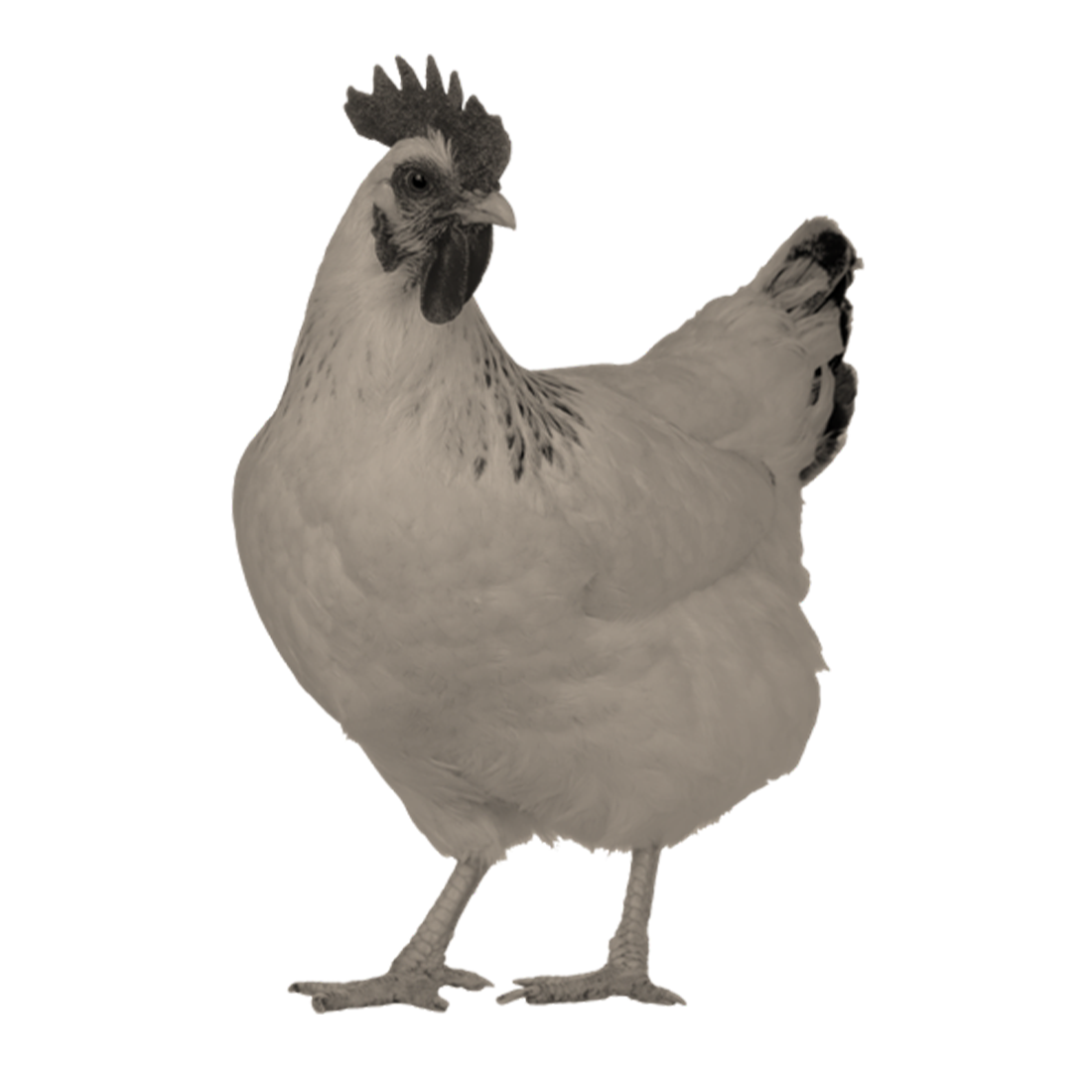
Falcons and Poultry
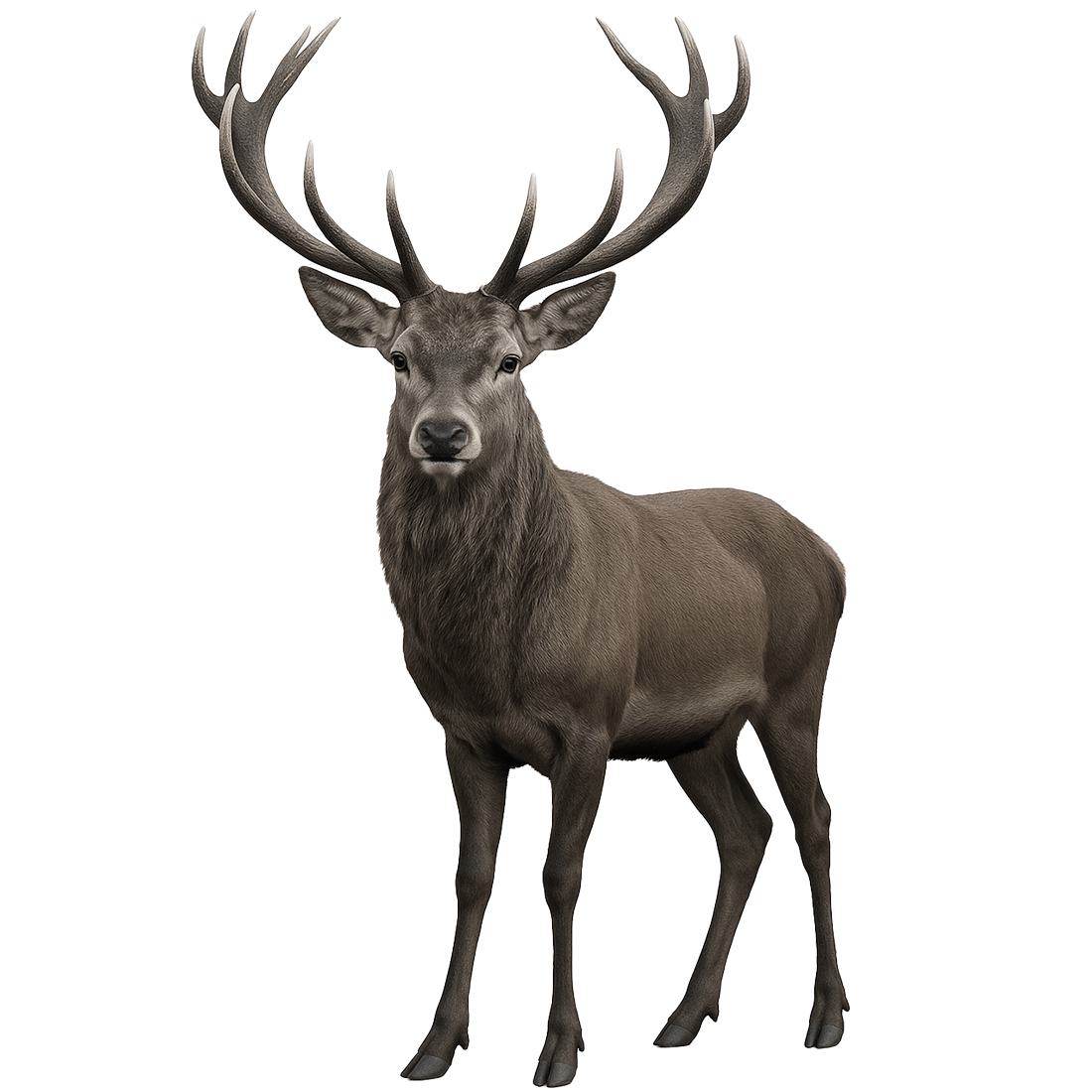
Reserve Animals
Ruminant Vaccines

Foot-and-Mouth Disease (FMD) | الحمى القلاعية

PPR | طاعون المجترات الصغيرة

Pseudotuberculosis (CLA) | السل الكاذب

Brucellosis | البروسيلا / الحمى المالطية

Sheep & Goat Pox | جدري الأغنام والماعز

Enterotoxemia | الانتروتوكسيميا (Clostridial)

Pasteurellosis | الباستيريلا

Camel Pox | جدري الإبل

Equine Vaccines

Equine Influenza | الإنفلونزا الخيلية

Tetanus (Horse) | التيتانوس للخيل

لقاحات الصقور والدواجن

Newcastle Disease | مرض نيوكاسل

IB | التهاب الشعب المعدي

IBD | مرض الجمبورو

Marek’s Disease | مرض مارِكس

لقاحات حيوانات المحميات

Deer, Oryx, and Ibex

Brucellosis | البروسيلا / الحمى المالطية

Pasteurellosis | الباستيريلا

PPR | طاعون المجترات الصغيرة

Foxes, Wolves, and Leopards

Rabies | السُّعار

Houbara Bustard and the Arabian Eagle

Newcastle Disease | مرض نيوكاسل

Mraah Biotech provides specialized vaccines to protect wildlife in protected areas from dangerous epidemic diseases that threaten the health of herbivores such as gazelles, oryx, and ibex; predators such as foxes, wolves, and leopards; and birds such as houbara and Arabian vultures. The vaccine portfolio includes protection against brucellosis, foot-and-mouth disease, Pasteurella infections, and peste des petits ruminants (PPR), in addition to rabies and Newcastle vaccines. Together, these measures strengthen immunity and reduce the risk of disease outbreaks within natural protected ecosystems.


 

Description Disease

Foot-and-mouth disease is an extremely contagious viral infection affecting cattle, sheep, goats, and camels.

It causes high fever, severe mouth and foot ulcers, painful lameness, and inability to eat or walk.

Young animals often die suddenly due to heart damage, and farms suffer catastrophic economic losses within days.

Transmission Infection

Targets mouth, tongue, hooves, and teats. Spreads rapidly through aerosols, saliva, milk, manure, contaminated clothing, equipment, and windborne particles.

Prevention Vaccination

Inactivated multivalent vaccine; booster every 4–6 months. Strict biosecurity and record keeping are essential.

Description Disease

A deadly viral plague of sheep and goats causing bloody diarrhea, pneumonia, severe dehydration, and mouth erosions.

Mortality can reach 90% in unvaccinated herds, especially young animals.

Transmission Infection

Affects respiratory and digestive systems. Spread by close contact, aerosols, nasal discharge, tears, and contaminated pens.

Prevention Vaccination

Live attenuated vaccine provides long-term immunity. Mass vaccination programs essential for prevention.

Description Disease

The disease causes deep, persistent abscesses in lymph nodes, leading to progressive decline in health and productivity.

Transmission Infection

The most critical route of spread is contaminated pus from an infected animal entering even a small skin wound in another animal.

Prevention Vaccination

The strongest control measure is combining vaccination with early isolation of infected animals, since vaccination alone does not fully stop transmission.

Description Disease

A chronic bacterial disease causing abortion storms, infertility, and weak newborns.

Animals can remain lifelong carriers and shed bacteria through milk and birthing fluids, posing a serious zoonotic risk.

Transmission Infection

Infects reproductive organs and placenta. Spread via aborted fetuses, placental fluids, milk, and contaminated environment.

Prevention Vaccination

Live attenuated vaccine (Rev‑1/S19). Administer only to young females — never to pregnant animals due to abortion risk.

Description Disease

Viral disease causing widespread skin nodules, fever, and pneumonia. Can result in severe wasting and death in young animals.

Transmission Infection

Skin and mucosal infection spread through direct contact and biting insects.

Prevention Vaccination

لقاح موريل (Morel’s Live Attenuated Vaccine) وهو لقاح حي مضعف يستخدم في المناطق الموبوءة لمنع التفشي.

Description Disease

Sudden and often fatal disease in sheep and goats due to explosive bacterial toxin release in intestines, often after diet changes (Enterotoxemia).

Transmission Infection

Internal overgrowth in intestines; not contagious between animals but triggered by nutrition shifts.

Prevention Vaccination

Toxoid vaccine; annual dose plus booster before lambing/kidding.

Description Disease

Severe respiratory disease that worsens with stress and overcrowding. Can cause rapid death in lambs and kids (Septicemia).

Transmission Infection

Affects lungs; spreads via aerosols, stress, mixing animals.

Prevention Vaccination

Inactivated vaccine recommended for high‑risk flocks.

Description Disease

Viral disease of camels causing nodules, scabs, fever, and wasting in severe cases, especially in young animals.

Transmission Infection

Spread via direct contact and insects; affects skin and mucosa.

Prevention Vaccination

Live vaccine used in endemic regions.

Description Disease

Highly contagious respiratory disease causing fever, deep coughing, nasal discharge, and weakness.

Transmission Infection

Aerosols, equipment, handlers; attacks respiratory tract.

Prevention Vaccination

Live or inactivated vaccine every 6–12 months; mandatory for events.

Description Disease

Fatal neurotoxic infection causing muscle rigidity, seizures, and respiratory failure. Survival is rare once symptoms appear.

Transmission Infection

Enters through dirty wounds; affects nervous system.

Prevention Vaccination

Toxoid vaccine yearly + booster after wounds.

Description Disease

Destructive viral disease in poultry causing respiratory distress, neurological twisting, paralysis, and high mortality.

Transmission Infection

Respiratory and fecal spread; contaminated equipment and movement.

Prevention Vaccination

قاح حي ومعطل بجرعات متعددة.

Description Disease

Respiratory and kidney‑affecting viral disease decreasing egg production and shell quality.

Transmission Infection

Aerosols, litter contamination; affects respiratory tract and kidneys.

Prevention Vaccination

Live/inactivated vaccine via water or spray.

Description Disease

Immune‑destroying viral disease weakening poultry and increasing death from secondary infections.

Transmission Infection

Fecal–oral route; affects bursa of fabricius.

Prevention Vaccination

Live or immune‑complex vaccines; timing critical.

Description Disease

Aggressive viral cancer causing paralysis and fatal tumors in chickens.

Transmission Infection

Feather dust; targets nerves and organs.

Prevention Vaccination

Live HVT/vector vaccine at hatch; prevents tumors.

Description Disease

Rabies is a fatal viral disease that attacks the central nervous system, causing progressive brain inflammation and inevitable death once symptoms appear.

Transmission Infection

The virus spreads through the saliva of infected animals, mainly via bites. It can also transmit through scratches or contact with mucous membranes.

Prevention Vaccination

Rabies is preventable through prompt vaccination, routine immunization of high-risk animals, and strict control of wildlife and stray populations.

Connect with our experts